Candy Heart Embroidery Design Review
First Impression: Playful, Polished, and Perfectly On-Trend
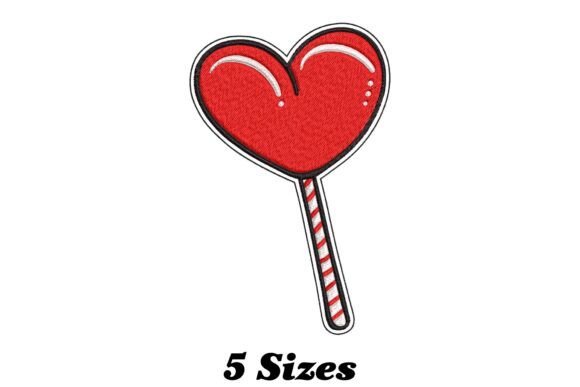
As an embroidery designer who’s developed collections for boutique apparel brands and Etsy sellers for over a decade, I opened Candy Heart expecting charm—and got something sharper: a confident, cheerful machine embroidery design with real decorative strength. It doesn’t read as cutesy or dated; instead, it balances soft curves with clean stitch definition—like a hand-drawn doodle refined for precision stitching. The visual personality is undeniably playful and feminine, yet its structure feels intentional, not saccharine. That matters when you’re building a boutique brand where every stitch contributes to perceived value.
Why Candy Heart Works So Well on Sweatshirts & Hoodies
Sweatshirt embroidery demands designs that hold up across fabric movement, texture shifts, and casual wear. Candy Heart delivers here—not because it’s oversized or bold, but because its balanced proportions and moderate stitch density anchor well on fleece and brushed cotton. On neutral sweatshirts (heather grey, oatmeal, charcoal), it reads with quiet confidence. On pastel hoodies—think mint, blush, or lavender—it becomes a subtle signature detail, especially when placed at chest level. For oversized garments, I’d avoid center-back placement unless scaling slightly; the design’s natural rhythm shines best on front chest or sleeve accents, where it complements relaxed silhouettes without competing.
Real-World Placement Notes Across Apparel Types
- T-shirts: Ideal for left-chest or pocket-top placement—its compact scale avoids overwhelming lightweight jersey, especially when paired with high-contrast thread colors.
- Denim jackets: A standout on the upper back yoke or near the hemline cuff. Its artistic flair softens denim’s ruggedness while feeling intentional—not like an afterthought.
- Tote bags & lifestyle accessories: Works beautifully on canvas or linen blends. Because it’s inherently cheerful, it elevates handmade product photography and supports cohesive printable mockups for social media or Etsy listings.
- Dark apparel: Performs strongly if stitched with matte or semi-sheen thread in white, cream, or pale rose—avoid overly glossy threads that can flatten dimension on black or navy fabrics.
- Curved surfaces & ribbed fabric: Test first. While Candy Heart isn’t ultra-dense, its rounded contours benefit from light cutaway stabilizer on ribbed cuffs or curved hems to prevent puckering.
Design Strengths for Boutique Branding & Customer Trust
In a crowded market of custom apparel, consistency builds recognition—and Candy Heart supports that. Its clear silhouette, balanced negative space, and cohesive line weight make it easy to pair across product types: same design on a hoodie chest, a matching tote, and a coordinating enamel pin mockup. That visual continuity tells customers your small shop product has intention behind it—not just decoration. For Etsy sellers, this translates directly to buyer trust: shoppers scan quickly, and a polished, recognizable motif signals professionalism before they even read your description.
Where to Use Candy Heart Thoughtfully
Avoid tiny lettering or fine interior details—it’s not a script or monogram file. It’s a standalone graphic element. Also, tread carefully on highly stretchy knits (like performance blends) without proper stabilizer support; test on scrap fabric first. Fleece and terry cloth are friendly canvases, but always confirm hoop size compatibility with your machine before digitizing for production. And remember: Creative Fabrica embroidery files vary in complexity—review the product details closely for included formats and any notes on recommended stabilizer type.
Thread Colors & Stitch Density: Practical Designer Notes
I tested Candy Heart in three thread palettes: classic red/white, muted terracotta/cream, and deep plum/ivory. All worked—but contrast mattered most. On dark garments, low-contrast thread (e.g., charcoal on black) diminished impact; on light fabrics, bright tones popped without feeling loud. Its stitch density sits comfortably in the mid-range—not so sparse it looks unfinished, not so dense it risks stiffness on soft knits. Still, inspect the file preview for tight curves or overlapping elements before running full batches. If your version includes satin-stitched edges, verify tension settings on your machine to prevent skipped stitches on textured fabric.
Valentine S Day & Beyond: Seasonal Flexibility
Yes, Candy Heart lives in the Valentine S Day category—but its design language transcends the holiday. Remove the seasonal association, and it reads as joyful, inclusive, and quietly romantic—ideal for spring launches, self-love campaigns, or “just because” collections. That versatility makes it commercially smart for small clothing brands planning year-round drops. Unlike time-bound motifs, it supports long-term brand identity when used intentionally—not as filler, but as a recurring visual note across seasons.
Final Thoughts for Embroidery Shops & Creative Entrepreneurs
If you’re curating a digital embroidery file library for commercial embroidery or prepping a boutique apparel collection, Candy Heart earns its place—not as a novelty, but as a reliable, expressive tool. It strengthens finished product presentation, lifts lifestyle photography, and scales gracefully across merch tiers. For crafters and handmade business owners, it’s a shortcut to professional polish without sacrificing warmth. Just remember: always test on scrap fabric matching your final garment, double-check stabilizer choice against fabric texture, and review Creative Fabrica product details—including licensing terms—before selling finished apparel. A great embroidery file is only as strong as the care behind its execution.