Charming Rubber Duck
First Impression: Whimsy That Wins at the Booth
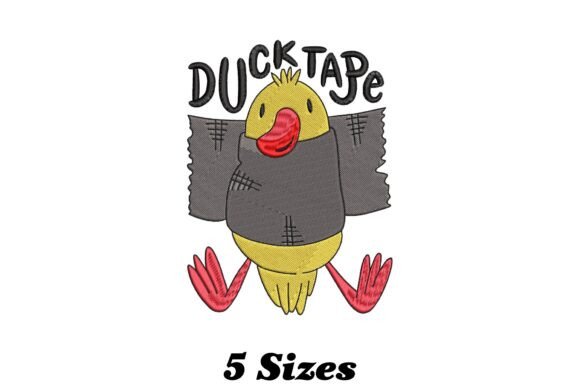
As an embroidery designer who’s packed, stitched, and sold at over 40 craft fairs—from snowy winter markets to sun-drenched summer pop-ups—I know instantly when a design *lands*. Charming Rubber Duck lands. It’s not loud or flashy—but it’s warm, approachable, and quietly confident in its charm. It reads as “whimsical,” yes—but more specifically, it’s soft-cute, not cartoon-silly; friendly, not childish; nostalgic, not dated. Think farmhouse kitchen meets modern handmade boutique—ideal for buyers who love personality without clutter.
Where Charming Rubber Duck Shines on Craft Fair Products
This machine embroidery design doesn’t need a spotlight—it earns attention by fitting *just right*. On a natural canvas tote bag? Perfect. Centered just below the handle seam, it reads clearly from six feet away and invites a smile. On a linen apron? It adds gentle character without competing with pockets or straps. As tea towel embroidery? It pops beautifully against textured terry or waffle weave—especially when placed near the corner or along the hem where it feels intentional, not accidental.
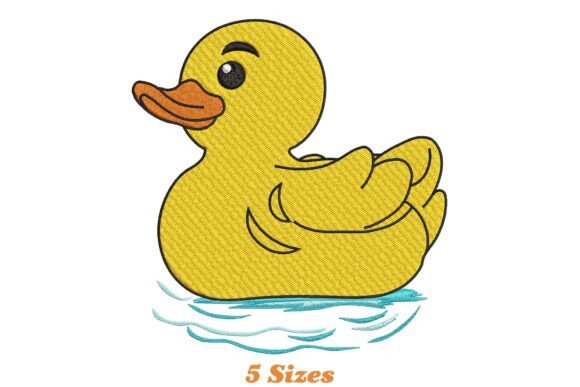
For embroidered patches, Charming Rubber Duck is a standout small-shop product. Its clean silhouette and balanced proportions hold up well at 2.5–3 inches—large enough to read, small enough to stitch quickly. On fabric pouches or pillow covers? It works best as a single focal point—not clustered or repeated—letting the duck’s rounded shape and subtle detail (like a soft beak curve or gentle wing line) speak for itself.
It’s less ideal for curved cap surfaces unless resized carefully—tiny features can blur or distort. And while it *can* work on dark fabric, contrast matters: pair light thread (ecru, pale yellow, mint) with navy or charcoal for warmth—not stark white, which risks looking clinical. On thick fabrics like denim or canvas, confirm your stabilizer choice—medium-weight cutaway prevents puckering without adding bulk.
What Makes It Sell—Beyond Just Being Cute
At a craft fair, customers don’t buy “embroidery.” They buy *feeling*: nostalgia, joy, intentionality. Charming Rubber Duck delivers that quietly. It signals handmade quality without shouting—and that builds trust fast. Buyers linger longer when they recognize authenticity, and this design feels hand-drawn, not algorithm-generated. It also supports brand consistency: if your shop leans into cozy, nature-adjacent, or gentle-playful aesthetics, Charming Rubber Duck reinforces that story across tote bags, tea towels, and gift-ready pouches.
Visually, it strengthens booth display strength. Group three items—a linen tea towel, a cotton market bag, and a patch-adorned pouch—all featuring the same duck in consistent scale and thread palette—and you create rhythm. That repetition reads as professional, not repetitive. And unlike overly detailed motifs, this design photographs cleanly for Etsy listings and printable mockups. No heavy shadows needed. No retouching required. Just natural light, a neutral background, and the duck doing its quiet, charming work.
Production Reality Check: What You Need to Test Before Booth Day
Before batch-producing Charming Rubber Duck for your next fair, treat it like any commercial embroidery asset—test, then trust. Stitch it on scrap fabric matching your final product: terry for towels, twill for aprons, canvas for totes. Watch for dense stitch areas—especially around the duck’s eye or beak—if those zones feel stiff or raised, adjust underlay or reduce density slightly.
Check thread colors against your fabric swatches in daylight *and* indoor lighting. A buttery yellow may glow on oat-colored linen but disappear on heather gray. Confirm hoop size early—some versions of this design may require a 4x4 or 5x7 hoop, and mismatched sizing means rehooping mid-run (a time-suck you won’t forgive on setup day). Review spacing: does the duck sit comfortably within your chosen placement zone—or does it crowd seams or edges?
Inspect stitch density—not just for clarity, but for wear. High-density fills look lush on a shelf, but on a frequently washed tea towel, they may stiffen or crack over time. For long-term durability, medium-density satin and fill stitches often outperform ultra-heavy versions. And always use the right stabilizer: tear-away for smooth cottons, cutaway for knits or stretchy blends, and fusible + tear-away combo for textured towels.
Smart Use Notes for Handmade Sellers & Digital Designers
- Small sizes matter: Below 1.75 inches, tiny details (like feather texture or beak definition) may vanish—stick to 2 inches minimum for patches or pouches.
- Fabric texture is a co-designer: On highly textured towels or burlap, simplify expectations—the duck will read as shape first, detail second.
- Dark fabric needs thoughtful contrast: Avoid black-on-black or navy-on-navy combos. Even a subtle ecru or warm ivory lifts the design visibly.
- Commercial licensing is non-negotiable: If selling finished products (not just the embroidery file), verify the digital embroidery file includes commercial use rights. Don’t assume—check before you print tags or list on Etsy.
- Create one real mockup before scaling: Stitch it, photograph it, hold it in your hand. Does it feel special? Does it match your booth’s energy? If not, tweak thread or placement—not the design itself.
Final Thought: Why Charming Rubber Duck Belongs in Your Next Batch
This isn’t just another toy-themed embroidery file. It’s a versatile, emotionally resonant, production-smart asset—one that bridges online appeal and in-person charm. For Etsy sellers, it’s a scroll-stopping listing image. For craft fair vendors, it’s a conversation starter that fits seamlessly into gift sets and impulse buys. For boutique makers and small shop owners, it adds cohesive, joyful identity without demanding trend-chasing.
When you choose Charming Rubber Duck, you’re choosing a design that respects your time, honors your craftsmanship, and connects with buyers who value handmade meaning—not just machine-made speed. Stitch it right, show it proudly, and watch it waddle straight into hearts (and carts).