Flower Blooming Heart
A Craft Fair Designer’s Real-World Review Before Booth Day
As an embroidery designer who’s prepped over 200 craft fair tables—and watched which designs stop shoppers mid-aisle—I opened Flower Blooming Heart with a mix of hope and healthy skepticism. The title alone suggests something soft, joyful, and emotionally resonant—not overly literal, not too cutesy. It leans into the “cheerful and artistic touch” promised in the description, but does it deliver *in person*, under market tent lighting, on real fabric, at real price points? Let’s break it down like I would while sorting samples for Saturday’s booth.
First Impression: Warm, Modern, and Genuinely Approachable
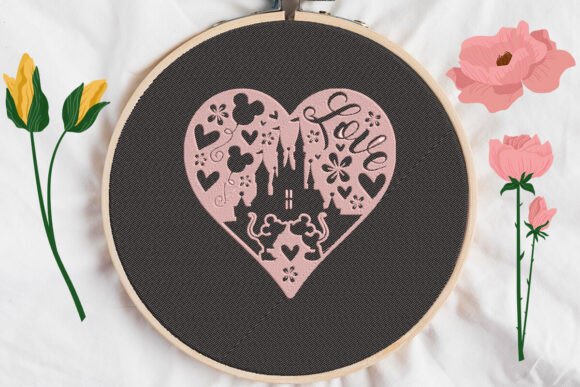
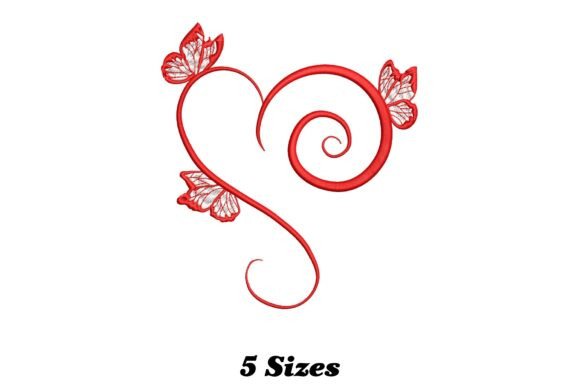
Flower Blooming Heart reads as modern romantic—not fussy, not vintage-revival, not cartoonish. It feels like a hand-drawn sketch translated cleanly into stitch: organic curves, balanced negative space, and implied motion (that “blooming” isn’t static—it breathes). It avoids Valentine S Day clichés—no Cupid arrows or dripping hearts—so it works year-round as a handmade product, yet still lands perfectly for February gifting. For Etsy sellers and boutique makers, that dual-season flexibility is gold: list it in February *and* keep it live through spring markets without feeling dated.
Where It Shines on Craft Fair Products
- Tote bag design: Centered on a natural canvas or linen tote, Flower Blooming Heart reads clearly from six feet away. Its medium scale (neither tiny nor overwhelming) makes it ideal for the “first glance” hook—especially when paired with earthy thread colors like terracotta, sage, or oatmeal.
- Apron embroidery: Positioned just above the pocket or centered on the bib, it adds quiet personality without competing with function. Customers notice it while browsing kitchenware—then pause to touch the texture.
- Tea towel embroidery: Works beautifully on flour-sack cotton or waffle-weave towels. The design’s open structure prevents stitch crowding on textured surfaces, and its cheerful tone aligns with handmade home goods buyers.
- Embroidered patch: At 3–4 inches wide, Flower Blooming Heart holds detail well when fused or sewn onto denim jackets, backpacks, or kids’ caps. Its shape lends itself to clean edge finishing.
- Pillow cover & small pouch: As a focal point on a 16" square pillow or 5" zip pouch, it reads as intentional, elevated, and gift-ready—key for small shop product positioning.
What Holds It Back (And How to Fix It)
This isn’t a “throw-it-on-and-go” machine embroidery design. A few careful-use notes matter—especially if you’re batch-producing for a craft fair:
- Dense stitch areas: If the floral center uses tight satin or fill stitches, test on your target fabric *before* hooping 30 tea towels. High stitch density can stiffen lightweight linens or cause puckering on textured towels.
- Small details: Petal tips or fine stem lines may blur on dark fabric or thick fleece. Always check thread contrast—cream thread on navy reads softer than white; ecru on charcoal adds warmth without glare.
- Curved surfaces: On caps or curved market bags, verify hoop size compatibility and consider repositioning the design lower on the front panel for better stabilization.
- Scale sensitivity: Below 2.5 inches, delicate elements risk losing clarity. Use it as a *small accent* only if your digitizing allows clean reduction—or stick to 3"+ for maximum impact.
Production & Selling Smarts for Embroidery Business Owners
Flower Blooming Heart succeeds because it’s both expressive and repeatable. As a digital embroidery file, it’s intuitive: no nested objects, clear layer logic, and minimal color changes—ideal for commercial embroidery workflows. That means faster turnarounds for custom orders and consistent quality across tote bags, aprons, and patches.
For photography and Etsy listings, it photographs exceptionally well—especially flat-laid on neutral backgrounds or styled in-context (e.g., embroidered on a folded tea towel beside fresh lavender). Its balanced composition translates cleanly into printable mockups, helping digital sellers present cohesive design assets without needing pro photo shoots.
Booth display strength? High. When grouped with complementary neutrals (stone-gray aprons, oatmeal totes, unbleached linen pouches), Flower Blooming Heart becomes a visual anchor—soft enough to soothe, distinctive enough to stand out among busier patterns. Buyers engage more readily with designs that feel handmade *and* intentional. This one delivers both.
Designer Notes You Can’t Skip
Before cutting fabric or loading hoops, do these five things:
- Test the embroidery file on scrap fabric *identical* to your production material—especially for tea towel embroidery or apron embroidery where texture affects stitch lay.
- Check thread colors against your actual fabric swatches—not your screen. Monitor calibration varies wildly.
- Review spacing between flower elements and heart outline. Tight gaps may merge on low-tension machines or dense weaves.
- Confirm hoop size requirements. If it needs a 5x7 or larger, adjust your setup for caps or small pouches accordingly.
- Use the right stabilizer: cutaway for knits (t-shirts), tear-away for stable wovens (totes, pillow covers), and heavy-duty for textured towels.
And always—always—create at least one finished product mockup before committing to bulk. Hold it in natural light. Drape it on a shelf. Ask a non-crafter friend what they feel when they see it. Does it say “handmade with care”? Does it invite touch? With Flower Blooming Heart, the answer should be yes.
Final Thought for Creative Entrepreneurs
Flower Blooming Heart isn’t just another Valentine S Day embroidery—it’s a versatile, emotionally intelligent design asset. It elevates a simple tote into a keepsake, turns a tea towel into a conversation starter, and gives your booth a signature warmth that buyers remember. For Cricut and embroidery crafters building a recognizable brand, for Etsy sellers curating seasonal collections, and for handmade shop owners seeking repeatable charm—it earns its place in your active design library. Just embroider it with intention, stabilize with care, and let the bloom speak for itself.