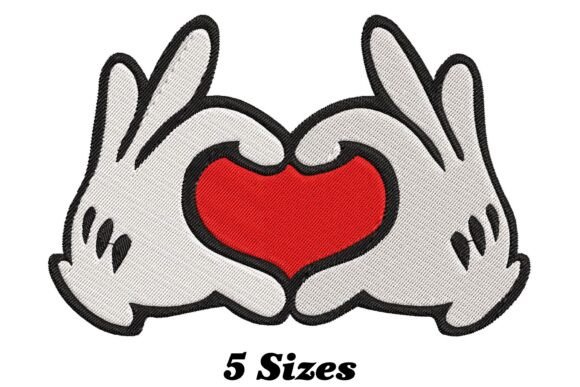
Love Hands Embroidery Design
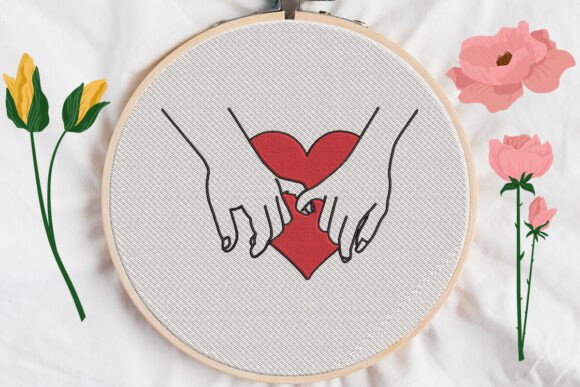
The Love Hands embroidery design is a charming addition to any craft fair product lineup. With its playful and affectionate theme, it's ideal for Valentine's Day and other romantic occasions. This machine embroidery design offers versatility, making it a valuable asset for handmade product creators, Etsy sellers, and small shop product developers.
First Impressions of Love Hands
Love Hands immediately conveys a sense of warmth and whimsy. The design feels both cute and modern, with a soft touch that appeals to a wide range of customers. Its simplicity makes it easy to recognize at a glance, which is crucial in a busy craft fair setting. Whether displayed on a tote bag design or an apron embroidery, Love Hands stands out as a fun and unique element that draws attention.
Where Love Hands Shines
This embroidery file works well across a variety of craft fair products. On tote bags, it adds a personalized touch that customers can easily envision using daily. For aprons, it becomes a focal point that highlights the handmade quality of the product. Tea towel embroidery featuring Love Hands can serve as a conversation starter, while embroidered patches offer a subtle yet meaningful detail for caps, fabric pouches, and market bags.
- Tote Bag Design: Perfect for adding a personal and festive touch to everyday carry items.
- Apron Embroidery: Ideal for kitchen accessories that blend function with charm.
- Tea Towel Embroidery: Adds a decorative and practical element to home decor.
- Embroidered Patch: Versatile for customizing clothing, bags, and accessories.
- Pillow Covers: Elevates the look of home textiles with a touch of personality.
Practical Selling and Production Considerations
As a small shop product, Love Hands is relatively straightforward to produce. The design is clear and legible, making it easy to spot from a distance. It can be used as a small accent or a larger focal point, depending on the project. When photographing for Etsy listings, the design maintains its appeal, especially when paired with complementary thread colors.
For commercial embroidery, it's important to consider stitch density and stabilizer use. Love Hands may require extra care on thick fabrics or textured towels to ensure clarity. Testing the design on scrap fabric before production is a smart move to confirm how it translates on different materials.
Careful-Use Notes for Love Hands
While Love Hands is generally user-friendly, there are some considerations to keep in mind. Dense stitch areas might need additional stabilizer support, especially on lightweight or stretchy fabrics. Tiny details could be lost if the design is scaled down too much, so it's best to test at various sizes. On dark fabrics, thread contrast becomes essential to ensure the design stands out clearly.
Curved cap surfaces can pose a challenge, requiring careful placement and hoop size adjustments. For those creating printable mockups or design assets, ensuring the Love Hands embroidery design remains sharp at smaller sizes is key to maintaining visual appeal.
Impact on Visual Appeal and Customer Engagement
Love Hands enhances the visual appeal of any product it's applied to. Its friendly and approachable style encourages customer interaction, making it a great conversation starter at a craft fair booth. As a handmade product, it reinforces the value of artisanal work, offering a unique touch that digital prints often lack.
For brand consistency, Love Hands can be a recurring element in a designer’s collection, reinforcing a cohesive aesthetic. In a booth display, it adds a layer of warmth and personality, helping to attract and retain customer interest. As an Etsy seller, this design can help differentiate your offerings in a competitive marketplace.
Embroidery Designer Notes for Success
To get the most out of Love Hands, start by testing the embroidery file on different fabric textures. Check how the stitch density affects the final result and adjust stabilizer use accordingly. Review the hoop size requirements to ensure the design fits comfortably without distortion.
When creating a real mockup, compare fabric colors to see how the design looks in different contexts. Confirm that the digital embroidery file is compatible with your machine and software. Lastly, verify the commercial licensing terms before selling finished products to avoid any legal issues.