Blooming Hearts: A Designer’s Real-World Review
First Impressions: Sweet, Seasonal, and Surprisingly Versatile
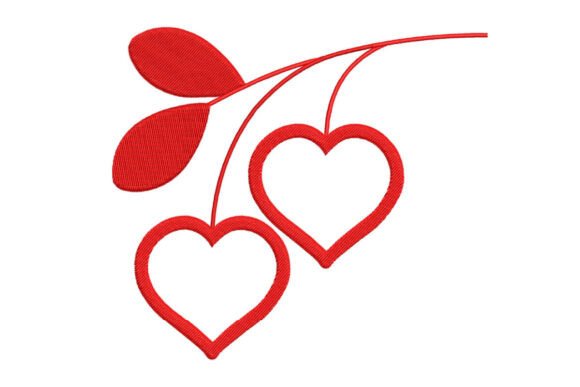
As an embroidery designer who’s tested hundreds of machine embroidery designs for personalized gift shops, I opened Blooming Hearts expecting charm—and got warmth, intention, and quiet confidence. It’s not overly fussy or cutesy; instead, it balances romantic softness with clean modern lines. The hearts bloom like watercolor sketches translated into thread—gentle curves, subtle layering, and just enough detail to feel handmade without risking stitch crowding. It leans into Valentine S Day without shouting it: think heirloom baby blankets more than candy-box clichés. That emotional resonance is key—it feels personal, not promotional.
Where Blooming Hearts Truly Shines
This design excels where meaning meets material. For baby embroidery, it’s perfect on organic cotton swaddle blankets or linen nursery pillow covers—soft enough for delicate skin, distinctive enough to become a keepsake. As a wedding gift, it adds tenderness to monogrammed kitchen towels or embroidered linen napkin sets. I stitched it onto a heavyweight canvas tote for a bridal shower preview—and the result felt elevated, intentional, and quietly luxurious.
Small shop owners and Etsy sellers will appreciate how easily Blooming Hearts adapts across categories: a single design becomes a cohesive collection. Stitch it on tea towels for spring markets, on denim aprons for artisan bakeries, or on cotton-linen blend pillow covers for home decor brands. Even in nursery decor, it reads gently—no loud graphics, no dated motifs. Just sincerity, stitched.
Smart Pairings for Your Personalized Gift Line
- Embroidered towel: Works beautifully on medium-weight terry—just avoid ultra-plush loops that swallow fine details.
- Pillow cover: Ideal for natural fiber blends (linen-cotton, chambray); the design breathes with the fabric.
- Blanket embroidery: Best on smooth-weave cotton or bamboo velour—not thick fleece, where stitch definition blurs.
- Custom tote bag: Holds up well on structured canvas or heavy twill—adds polish without stiffness.
- Apron: Looks especially lovely near the pocket or along the waistband—subtle but memorable.
Where to Use Blooming Hearts Thoughtfully
Not every surface is equal—and Blooming Hearts rewards thoughtful placement. Avoid stitching it directly onto highly textured fabrics like bouclé or heavily napped fleece; fine heart contours can get lost. On thick towels, test stitch density first—overly dense fills may pucker or flatten the bloom effect. For stretchy baby clothes (think onesies or knit rompers), use lightweight stabilizer and reduce tension slightly to prevent distortion.
Curved surfaces—like mugs with fabric sleeves or rounded pillow forms—require careful hooping. Consider simplifying placement to flat panels only. On dark fabric, choose high-contrast thread colors (ivory, blush, sage) to preserve delicacy. And always confirm wash durability: if your finished product will face frequent laundering (baby blankets, kitchen towels), verify the stitch density allows for flexibility and resilience—not just beauty.
Why Customers Connect—and Buy
Blooming Hearts elevates perceived value instantly. Unlike generic clipart-style motifs, it signals care, craftsmanship, and emotional intelligence. When customers see it on your Etsy listing or boutique shelf, they don’t just see embroidery—they see *intention*. That translates to stronger buyer engagement, higher conversion on custom order previews, and repeat trust for future handmade products.
Photography benefits too: its balanced composition and gentle contrast make it easy to style in natural light. Whether draped over a wooden crate at a craft fair or folded beside a ceramic mug in a printable mockup, Blooming Hearts reads as premium—even before the customer reads the description. That visual credibility is gold for small shop owners building brand recognition.
Practical Embroidery Notes You Can’t Skip
Before stitching your first finished product, run these checks:
- Test on scrap fabric—especially if using new stabilizer combos or unfamiliar thread colors.
- Confirm hoop size and design dimensions match your intended placement (e.g., center chest vs. corner of a towel).
- Review stitch density: Is it optimized for your fabric weight? Too dense = stiff, too sparse = fragile.
- Use proper stabilizer: Tear-away for stable wovens, cut-away for knits, and lightweight fusible for delicate linens.
- Compare light and dark fabric mockups—thread color shifts dramatically under different backgrounds.
- Check small details after stitching: Are heart tips crisp? Do layered petals read clearly?
- Verify commercial licensing before selling finished items—this is essential for Etsy sellers, wedding gift designers, and digital product sellers.
Final Thoughts for Crafters and Small Business Owners
Blooming Hearts isn’t just another machine embroidery design. It’s a quiet storyteller—ideal for the baby product creator stitching love into a newborn’s first blanket, the wedding gift designer adding tenderness to a couple’s first shared kitchen towel, or the Etsy seller curating a seasonal collection rooted in authenticity. It bridges Valentine S Day sentiment with year-round appeal, and its adaptability makes it a smart investment for any small shop product line.
For handmade sellers, this design supports what matters most: connection, quality, and ease. It doesn’t ask you to over-engineer—just to choose wisely, test thoughtfully, and stitch with heart. Because when customers unwrap a personalized gift stitched with Blooming Hearts, what they’re really holding is care—made visible, one thoughtful stitch at a time.