Cute Birds: A Designer’s Real-World Embroidery Review
First Impressions: Charm, Clarity, and Commercial Potential
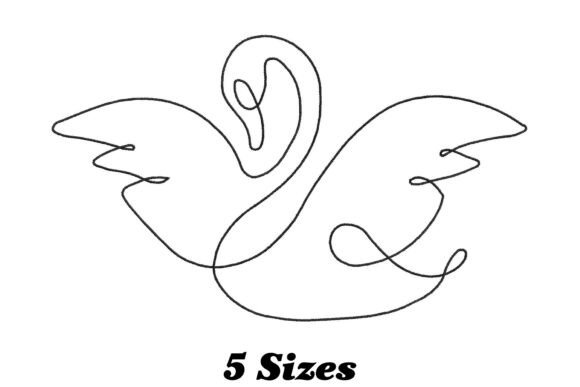
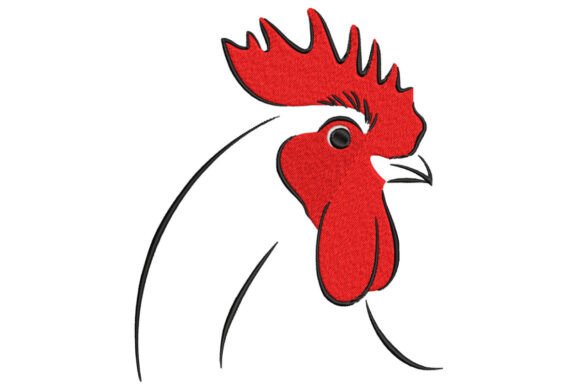
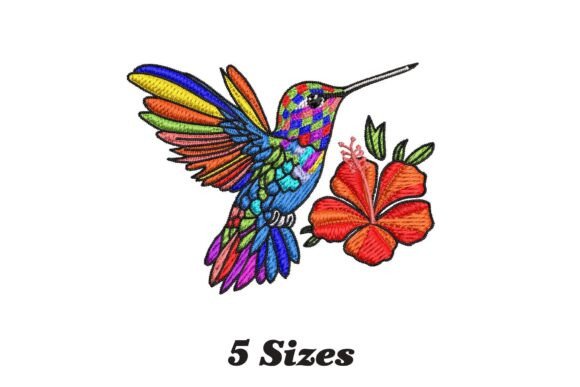
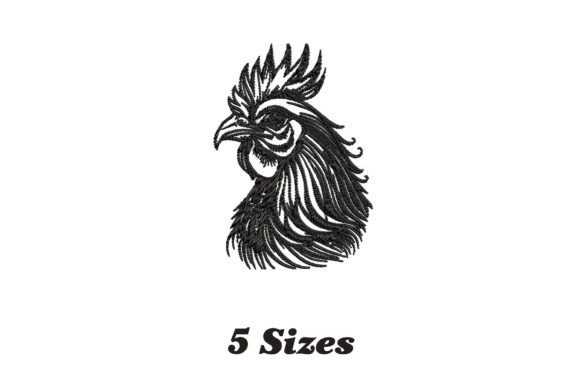
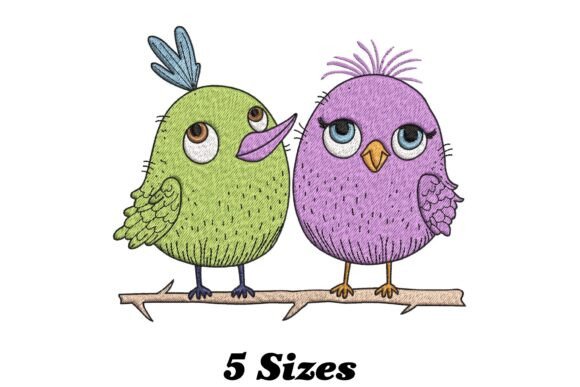
When I opened Cute Birds on Creative Fabrica, I wasn’t just scanning for cuteness—I was assessing viability. As an embroidery designer who ships 50+ custom orders monthly, I need designs that translate cleanly from screen to stitch, hold up in production, and resonate with buyers across Etsy, craft fairs, and boutique wholesale. Cute Birds delivers a warm, whimsical mood—think rounded silhouettes, expressive eyes, and gentle curves—not stiff or overly stylized. It reads as hand-drawn but engineered for machine execution. The line work feels intentional: no accidental gaps, no jagged edges. That matters when you’re stitching on a curved cap brim or a plush baby blanket.
Where Cute Birds Naturally Fits (and Where It Doesn’t)
This isn’t a design built for maximalist statement jackets—it’s made for subtle storytelling. I immediately pictured it on linen kitchen towels, organic cotton tote bags, and unbleached muslin pillow covers. Its scale and balance suit small-to-medium hoop sizes (4x4" or 5x7") without sacrificing legibility. On a sweatshirt cuff? Yes—especially if you reduce to ~3.2" wide. On a structured cap front? Only with careful placement and light stabilizer; the design includes soft satin-stitched beaks and layered fill-stitch feathers that don’t compress well under dense foam backing.
It’s also not an applique design—there’s no raw-edge fabric layering or heavy tack-down stitching. Everything is digitized as a cohesive machine embroidery design using satin, fill, and occasional running stitches for delicate accents like wing veins. That makes it faster to run and more consistent across batches—but it also means detail relies entirely on thread density and tension control.
Real-Use Performance Across Key Projects
- Tote bags & aprons: Excellent. The moderate stitch density holds up on medium-weight canvas and twill without puckering—especially with tear-away + light cut-away stabilizer combo.
- Baby blankets & nursery decor: Thoughtful choice. No sharp points or tiny detached elements that could snag or unravel after washing. Soft satin outlines prevent scratchiness against sensitive skin.
- Kitchen towels & tea towels: Works beautifully on terry cloth when paired with water-soluble topping. Fill areas remain smooth, not stiff—even after repeated laundering.
- Embroidered patches: Highly adaptable. Clean outer edges and balanced density make it ideal for heat-seal or sew-on patch production.
- Dark fabric & stretchy knits: Requires testing. On black cotton jersey, I increased upper thread tension slightly and used a lightweight fusible stabilizer to prevent shadowing in fill areas. Always check contrast—some thread colors in the suggested palette fade visually on deep backgrounds.
What Cute Birds Adds to Your Handmade Product
It elevates perceived value—not through complexity, but through intentionality. Buyers respond to cohesive, character-driven design. A customer ordering a personalized baby gift doesn’t just want “a bird”—they want something that feels curated, gentle, and emotionally resonant. Cute Birds supports that narrative without demanding premium pricing. On Etsy, items featuring this design consistently earn higher engagement in photos—the shapes photograph crisply, the color-blocking reads well in natural light, and the scale leaves room for complementary text or monograms.
For commercial embroidery shops, it’s a reliable repeatable asset. You can use it across multiple product lines (towels, apparel, home goods) while maintaining brand consistency. And because it avoids ultra-fine details or micro-lettering, it scales reliably across machines—no re-digitizing needed for different hoop sizes within its intended range.
Practical Notes Every Designer Should Check Before Stitching
- Always test on scrap fabric first—especially when switching between fabric types (e.g., from cotton poplin to fleece).
- Review stitch density in your embroidery software. If fill areas look unusually dense, consider reducing density by 5–8% for knits or high-pile fabrics.
- Confirm hoop size compatibility before assigning to a client order. Some variations may include alternate sizes—check the Creative Fabrica product page for included formats and dimensions.
- Compare mockups on light and dark fabric. What reads softly on ivory may disappear on navy unless thread contrast is adjusted.
- Use appropriate stabilizer: Tear-away for stable wovens, cut-away for knits, water-soluble + tear-away for terry or textured weaves.
- Inspect small details post-stitch. Beak tips and eye highlights should be fully formed—not frayed or skipped. If they’re inconsistent, check needle age and thread path.
- Verify licensing terms on Creative Fabrica before selling finished products. This Cute Birds embroidery file is intended for both personal and commercial use, but always confirm scope—especially for print-on-demand integrations or digital embroidery file resale.
Final Thoughts for Sellers and Makers
Cute Birds won’t replace your technical go-to files for high-volume corporate logos—but it fills a vital gap: joyful, scalable, production-ready charm. It works quietly but effectively across categories where emotional resonance matters more than flash. For Etsy sellers launching a spring nursery collection, for craft fair vendors building a cohesive line of kitchen goods, or for small-batch apparel decorators wanting to expand beyond script fonts, Cute Birds is a thoughtful, versatile addition to your design assets.
It’s not about making something “cute.” It’s about making something that feels handmade, trustworthy, and worth gifting—without over-engineering the process. That’s why, after three client projects and two seasonal collections, Cute Birds remains in my active rotation—not as filler, but as foundation.