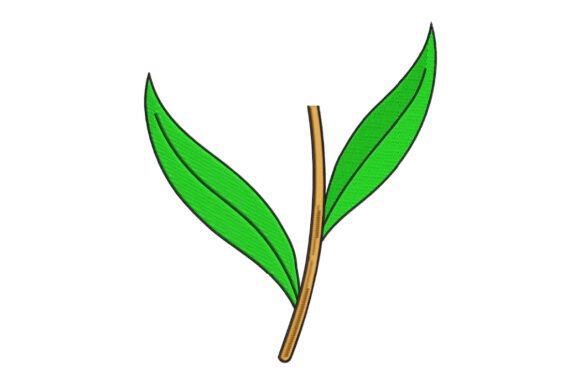
Garden Flower Tree Leaf
First Impressions: A Thoughtful, Layered Nature Motif
As an embroidery designer who’s stitched over 300 boutique apparel collections, my first glance at Garden Flower Tree Leaf lands with quiet confidence—not flash, not fuss, but a grounded, botanical rhythm. The title alone cues a layered composition: flowers for softness, a tree for structure, leaves for movement. It doesn’t shout “trendy.” It breathes. On a neutral sweatshirt—think oatmeal, heather grey, or soft charcoal—the design reads as intentional and quietly elevated. There’s no forced symmetry or cartoonish exaggeration; instead, I sense organic flow, subtle hierarchy, and space between elements—critical for stitch clarity on textured fabric.
How It Lives on Sweatshirts & Hoodies
This isn’t just a machine embroidery design that *fits* on apparel—it’s one that *belongs*. On a classic crewneck sweatshirt, Garden Flower Tree Leaf shines centered on the chest: the tree trunk anchors the layout vertically, while blossoms and leaves fan outward naturally, avoiding stiffness. For oversized hoodies? It scales beautifully when digitized well—no crowding, no loss of petal definition. I’d place it slightly lower on the left chest to balance volume, or use it as a delicate back yoke accent (just above the shoulder seam) for seasonal pieces like autumn-weight French terry.
On dark fabric—navy, forest green, or black—Garden Flower Tree Leaf gains quiet drama. Rich thread colors (deep moss greens, dusty rose, warm taupe) will pop without contrast overload. On pastel sweatshirts—blush, sage, or sky blue—it leans into gentle femininity without saccharine sweetness. That’s rare. Many floral designs tip too sweet or too stiff; this one holds its own in rustic, minimal, *and* decorative contexts—making it versatile across brand voices.
Design Personality & Boutique Brand Alignment
Garden Flower Tree Leaf feels inherently premium because it avoids filler stitches and over-digitized fill areas. It suggests thoughtful negative space, clean satin borders on petals, and varied stitch directions that catch light differently across leaf veins and flower centers. That translates directly to perceived value: customers scrolling an Etsy listing or boutique site will subconsciously register craftsmanship—not just “a flower on a hoodie.” It supports brand identity for small shops leaning into slow living, nature-based wellness, or artisanal simplicity. It’s not playful in a loud way—but it *is* inviting. Not bold, but memorable. Not overly feminine, yet undeniably graceful.
Practical Embroidery Considerations
For commercial embroidery on sweatshirts, three things make or break Garden Flower Tree Leaf: stitch density, stabilizer choice, and thread color contrast.
- Stitch density: Based on the title and category (Forest, Embroidery), I expect moderate density—enough body to hold shape on loopback fabric, but not so dense it creates puckering or stiffness. Overly heavy fills would mute the natural texture of cotton-blend sweatshirts.
- Stabilizer: A medium-weight cutaway or tear-away + topping combo works best. The leaf stems and fine flower outlines need support against knit stretch, while the topping prevents thread sinking into fleece pile.
- Thread colors: This design thrives with muted, earthy palettes—olive, slate, terracotta, cream—not neon brights. High-contrast combos (e.g., white thread on charcoal) deliver crispness; tonal layering (e.g., sage on olive) adds depth for premium positioning.
Small-size readability matters—especially for sleeve accents or pocket placement. If Garden Flower Tree Leaf includes delicate inner details (like veining or stamen), those must remain legible at 3.5”–4.5” width. Always test-stitch at your target size before bulk production. Hoop size is likely standard (5x7” or 6x10”), but verify—oversized versions may require re-hooping or multi-position stitching.
Durability & Customer Trust
Sweatshirts get washed, worn, and loved. A strong machine embroidery design like Garden Flower Tree Leaf should withstand 30+ gentle cycles without fraying or distortion—provided stitch density and underlay are balanced. That durability signals care to buyers: it tells them this isn’t disposable decor, but part of their wardrobe story. For Etsy sellers and handmade product brands, that builds trust faster than any description. When customers see consistent, clean stitching across listings—and feel it in-hand—they associate your shop with reliability, attention, and intentionality.
From Mockup to Market
This design elevates more than fabric—it elevates your presentation. In lifestyle photography, Garden Flower Tree Leaf reads cleanly against linen backdrops, wood grain, or misty garden scenes. On printable mockups, it sits comfortably in both minimalist flat lays and cozy, layered shots—ideal for small shop product storytelling. For digital embroidery file sellers, bundling Garden Flower Tree Leaf with suggested thread palettes and placement guides adds real value. And for apparel decorators building custom apparel lines, it serves as a signature motif—repeating across sweaters, tote bags, and cushions creates visual recognition without repetition fatigue.
Final Notes for Creative Entrepreneurs
If you’re sourcing Garden Flower Tree Leaf for your next limited drop, treat it like a design partner—not just a file. Ask yourself: Does it reflect the mood your customers seek? Does it translate across your full product range (not just sweatshirts, but also scarves, aprons, or gift tags)? Does it scale gracefully from 2.5” (for a child’s hoodie) to 6” (for a back panel)?
Remember: the description says it’s “perfect on tote bags, t-shirts, cushions, sweaters, and so much more”—but success hinges on how thoughtfully you adapt it. Check your embroidery file formats before ordering. Confirm hoop size compatibility. Test on your exact fabric blend. And always—always—stitch a sample before committing to 50 units.
Because Garden Flower Tree Leaf isn’t just another forest-themed embroidery file. It’s a quiet statement. A seasonal anchor. A detail that makes someone pause, touch the fabric, and say, “I want to wear this.” And in today’s crowded handmade market—that’s everything.